
Portland Roofing / homeowner guidance
After hail: organize roof questions without climbing
Collect dates, safe photographs and existing records before discussing a roofing assessment.
Reviewed October 11, 2026 · Portland Roofing editorial guidance
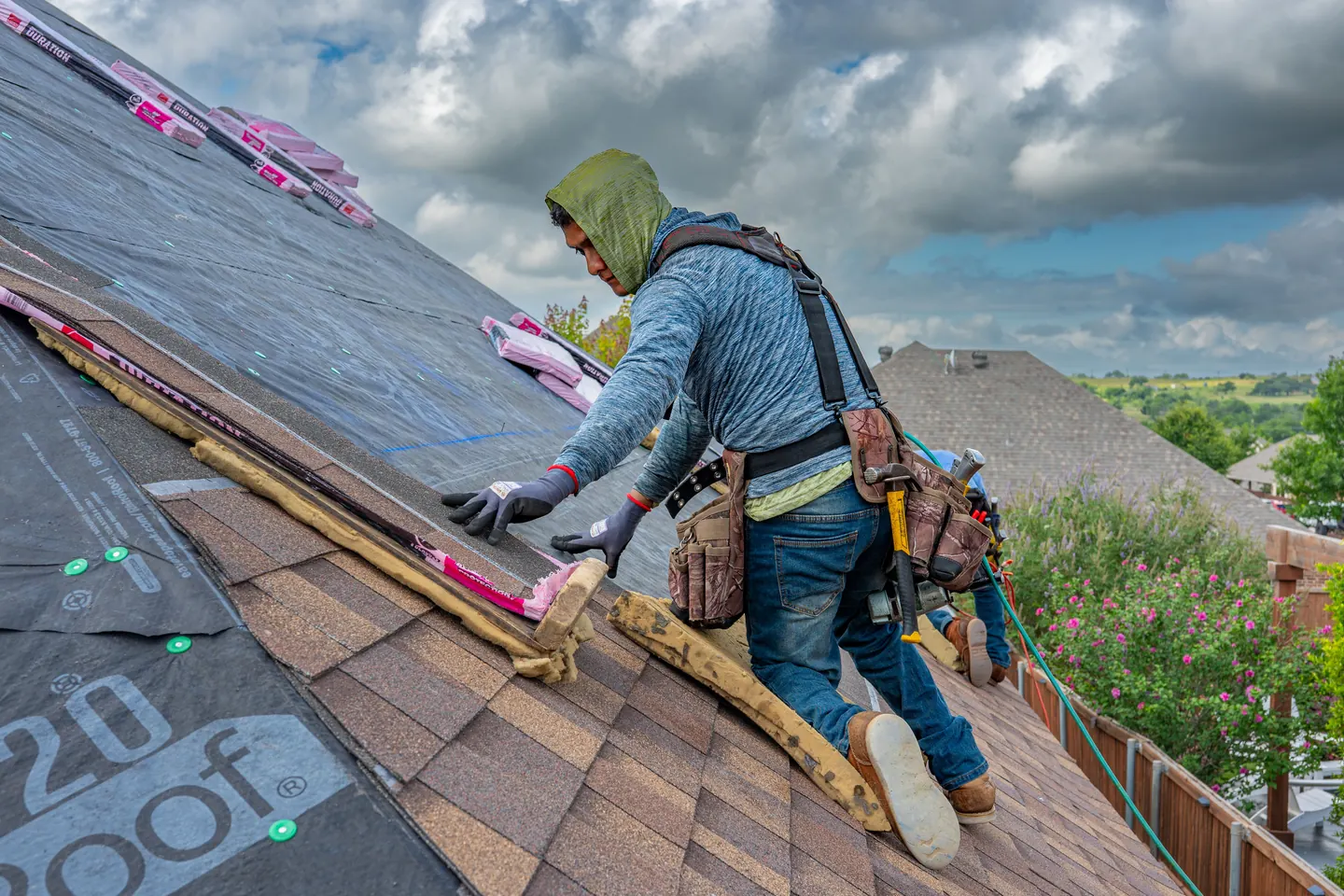
- Stay off the roof
- Date safe ground photos
- Keep originals + notes
Begin with the event and the property
Write down the event date and the observations made at your home. A regional weather report provides context, but it does not establish damage to a particular roof. Keep existing roof records and earlier repair information separate from new observations so the assessment can distinguish known conditions.
Photograph from safe positions
Use ground-level views and safe indoor photographs if water has appeared. Do not climb a ladder, walk on the roof or handle loose material to create evidence. Describe the location of each photo and when it was taken. Keep originals so you can provide a consistent record if a contractor or insurer requests it.
Ask for a documented finding
Request an explanation of the observed condition, proposed work and any uncertainty. A recommendation should be tied to the property, not just a statement that a storm affected the neighborhood. If replacement is proposed, ask why repair is insufficient and compare the written options.
Keep the insurance question separate
Ask your insurer about its process and the documents it needs. This website does not determine coverage, interpret a policy or promise claim approval. A roofing scope and an insurance decision are separate records. Avoid approving work based on an unsupported promise that an insurer will pay.
Keep the Portland weather report separate from roof evidence
Use the event date as an organizing label, not a conclusion. A report from elsewhere in the Portland region cannot establish what happened at your address. Record the observations you can make safely: a new indoor mark, visible debris on the ground, or an apparent change in a surface visible from a public or safe ground position. Include “not assessed” beside anything you cannot identify. Keep previous maintenance records in a separate group so new and pre-existing conditions are not accidentally presented as the same event. Ask the contractor to explain which observations support each finding and which remain uncertain.
Bring two separate questions to the next conversation
Ask the roofing business what the property assessment includes and what a written finding will contain. Ask your insurer independently what documents and process apply to your policy. The contractor’s proposal may identify a work scope while the insurer requests different evidence; neither document should be substituted for the other. If a proposal expands from covering repair to sheathing or structural work, also ask who verifies address-specific approvals. Portland and Gresham publish different examples of work requiring permits, so a regional storm does not settle the project’s jurisdiction or requirements.
Local project sources
Checked October 11, 2026. Confirm current requirements for the actual address and scope.
Storm documentation checklist
| Before the call | Question to resolve |
|---|---|
| Portland-region event report | What was actually observed at this address? |
| Safe originals with date and location | Which finding is supported and which remains uncertain? |
| Separate prior maintenance folder | Does the assessor distinguish older conditions? |
| Covering versus wider assembly scope | Who verifies approvals for the actual address? |
| Separate insurer document request | Which requested record belongs to the claim process? |
Useful next steps
For the assessed work behind this question, read the repair scope guide before comparing proposals.
Use the Roof Call Planner ↗ · Choose a roofing service ↗ · Portland address preparation ↗
Information organizes questions; it does not diagnose a roof, determine insurance coverage or certify a contractor.
Call for Roofing Help(833) 985-2096